
PROJECTS
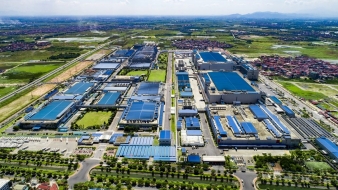
Viet Nam Enterprise Surveys 2026 (ES2026) – World Bank Business Ready (B-READY) Initiative
The Viet Nam Enterprise Surveys 2026 is a World Bank establishment-level survey that aims to understand firms’ day-to-day experiences and perceptions of the business environment in which they operate, covering topics such as access to finance, corruption, infrastructure, and competition. The survey methodology and questionnaire are standardized across more than 150 economies to ensure national […]
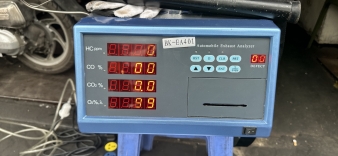
Emissions Regulation and Barriers to Technology Adoption: Experimental Evidence from Urban Viet Nam
Hanoi has been ranked among the world’s most polluted cities in recent years, with transport emissions constituting a substantial share of urban air pollution. Motorcycles are a major source of carbon monoxide and hydrocarbon emissions. Although regular motorcycle maintenance can improve fuel efficiency and reduce emissions, the adoption of fuel-efficient maintenance practices remains limited. This […]
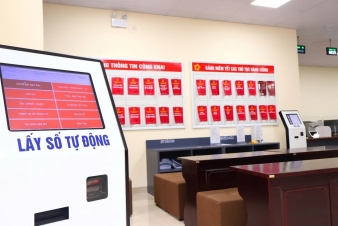
Rapid assessment Rapid Assessment of Public Service Delivery in the New Two-Tier Local Government System in Viet Nam
Since 1 July 2025, Vietnam has been transitioning from a three-tier to a two-tier local government model, aiming to streamline the state apparatus, reduce intermediate layers, and devolve greater authority to grassroots-level governments. As a result, many state management functions have been transferred to the commune level, requiring not only an administrative reorganisation but also […]
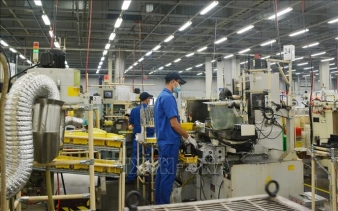
In Her Shoe
The Mekong Development Research Institute (MDRI), in collaboration with the World Bank, is implementing the study “In Her Shoes” (Vietnamese name: “Nhu cầu kỹ năng nghề của nữ công nhân khu công nghiệp”). The research seeks to better understand the aspirations, barriers, and career development needs of women working in industrial parks, export processing zones, […]
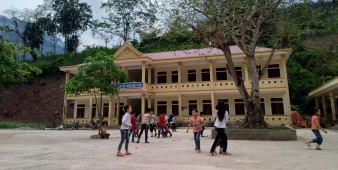
Bouncing Back and Beyond: Understanding and Building Education Systems Resilience in South and Southeast Asia
Disruptions to education systems have been increasing in both frequency and intensity in South and Southeast Asia, including from the COVID-19 pandemic, as well as from natural disasters, political conflicts, and social divisions. Various efforts, both localized and institutional, have been made to maintain consistency in education despite disruptions; however, current strategies are proving inadequate, […]

Study on Food Safety Experiences and Food Choice Behaviors
Unsafe food in the supply chain, stemming from various microbiological, chemical, and physical hazards, poses a serious threat to human health, especially in low- and middle-income countries. Consuming unsafe food can hinder nutrient absorption, and this impact is particularly severe for children aged 2–5. In Vietnam, food safety remains a pressing public health issue, especially […]
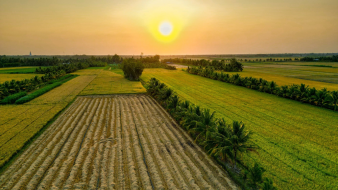
Follow-up data collection for the research “Climate Smart Agriculture in Vietnam: Climate Change Response Modelling and Application”
The Mekong Delta, known for its rich and diverse ecosystems, plays a vital role as Vietnam’s key hub for agriculture and aquaculture. However, it is also among the most climate-vulnerable regions in Southeast Asia. Climate change has exacerbated the vulnerability of smallholder farmers and increasingly threatens their agricultural livelihoods. In this context, climate-based forecasts—grounded in […]
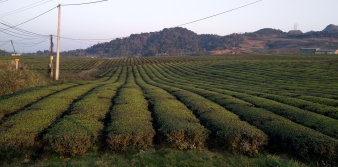
Project-level baseline assessment of the Australia-Vietnam Program for Gender Equality in Agriculture and Tourism 2 (GREAT 2)
Subsequent to GREAT 1, MDRI continues to perform baseline assessment for the phase 2 of the Australia-Vietnam Program for Gender Equality in Agriculture and Tourism (GREAT 2). GREAT 2 focuses on agriculture and tourism to promote women’s economic empowerment, particularly for ethnic minority women (EMWs) in Son La and Lao Cai. Using a Market System […]