Hanoi has been ranked among the world’s most polluted cities in recent years, with transport emissions constituting a substantial share of urban air pollution. Motorcycles are a major source of carbon monoxide and hydrocarbon emissions. Although regular motorcycle maintenance can improve fuel efficiency and reduce emissions, the adoption of fuel-efficient maintenance practices remains limited.
This study will use a randomized controlled trial (RCT) with ride-hailing drivers in Hanoi to investigate the following research questions:
- What are the private and social benefits of fuel-efficient motorcycle maintenance? In particular, the study will examine reductions in fuel expenditure for drivers and reductions in air pollution emissions for society.
- What are the main barriers to adopting fuel-efficient maintenance practices that generate both private and social benefits?
- Can emissions testing, combined with appropriate incentives, improve compliance with motorcycle emissions standard?
Key responsibilities:
– Liaise and coordinate with all project partners
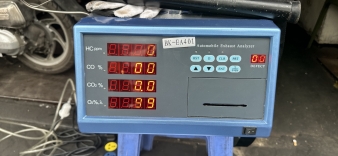
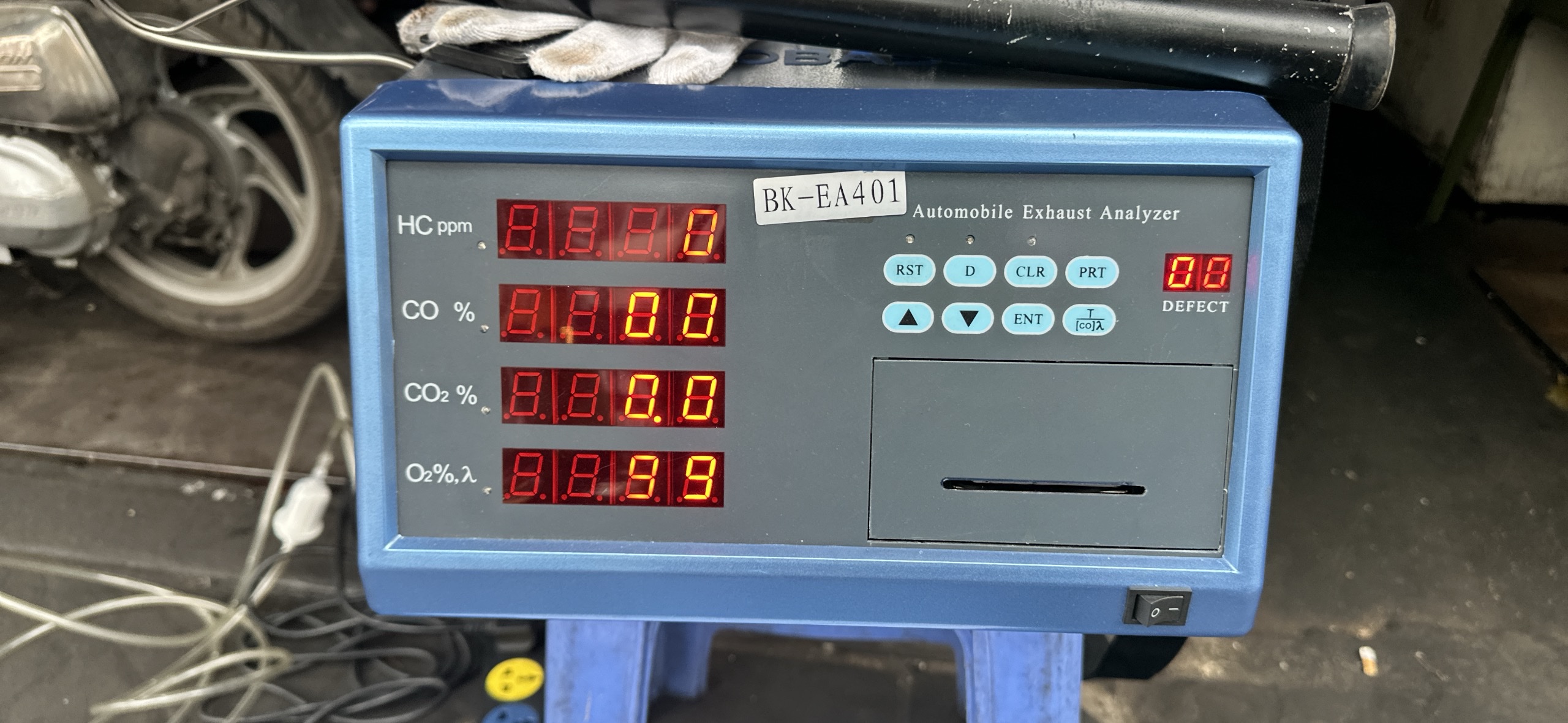
– Prepare and organize all equipment required for emissions testing, as well as survey materials and documentation for field implementation.
– Recruit and train enumerators and field supervisors on survey protocols, informed consent procedures, emissions testing protocols, and the use of digital data collection tools.
– Implement data collection, including a willingness-to-choose experiment and emissions testing, with 1,500 motorcycle drivers in Hanoi.
– Supervise and monitor fieldwork quality to ensure adherence to sampling protocol and maintain data accuracy, consistency and completeness.
– Manage the distribution, tracking, and documentation of incentives and motorcycle-maintenance vouchers provided to study participants.
– Conduct follow-up surveys with participants to track fuel efficiency.